Atami Kogashi Festival — Atami, est. 13 centuries ago
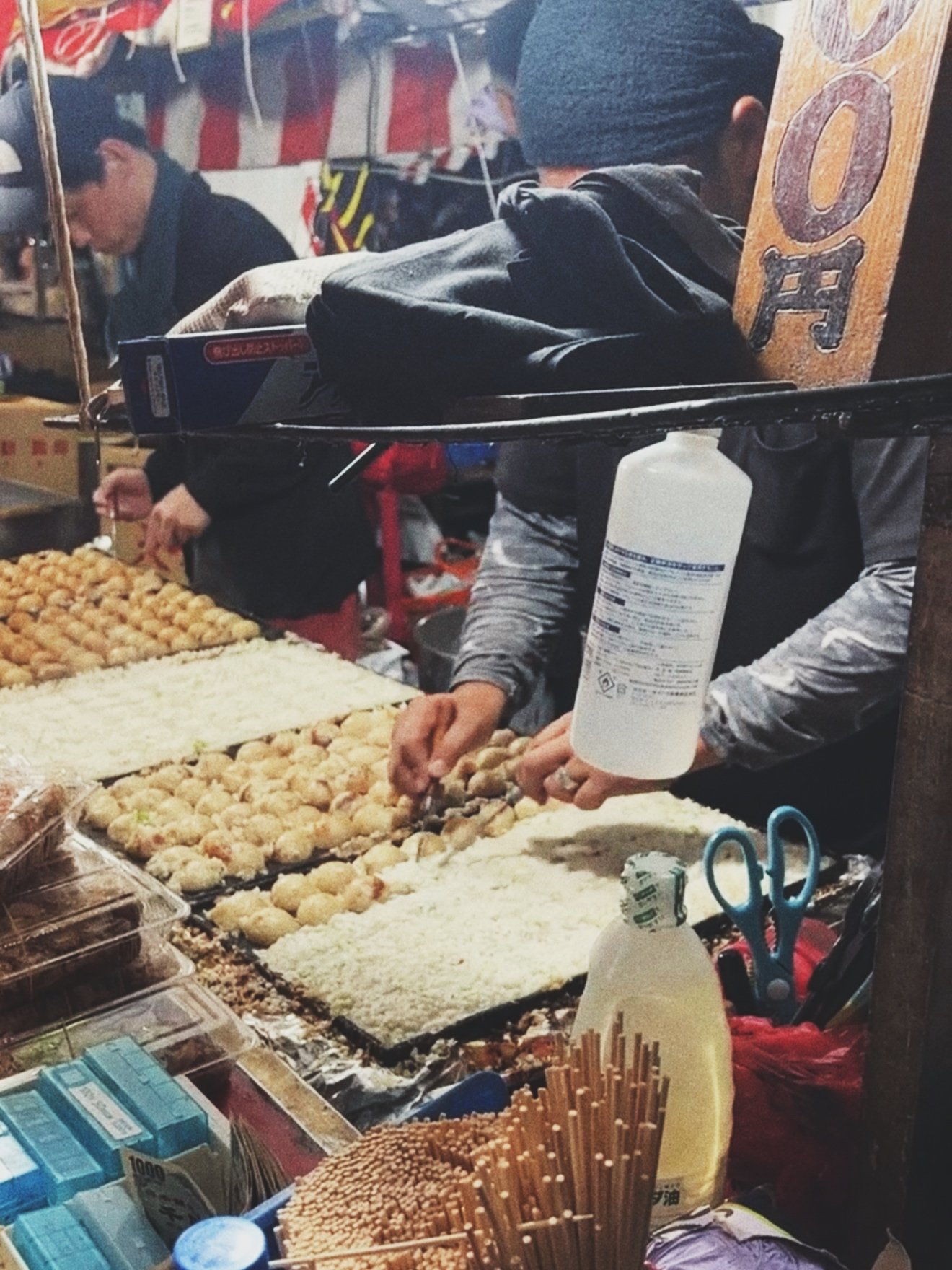
Every July, Atami shifts into a louder, brighter register. Sun Beach comes alive with beachgoers, and Kinomiya Shrine holds its annual grand festival. The city leans into the sounds of drums and flutes, and the smells of grilled seafood drift off the food stalls set up along the beach. Kinomiya shrine’s history stretches back roughly 1,300 years, tied to a legend in which fishermen pulled a wooden deity from the sea three times, so it was enshrined near the area’s oldest camphor tree. The festival’s name, “kogashi,” comes from the Japanese for roasted barley flour, “mugikogashi,” one of the offerings still made each year in the deity’s honor.
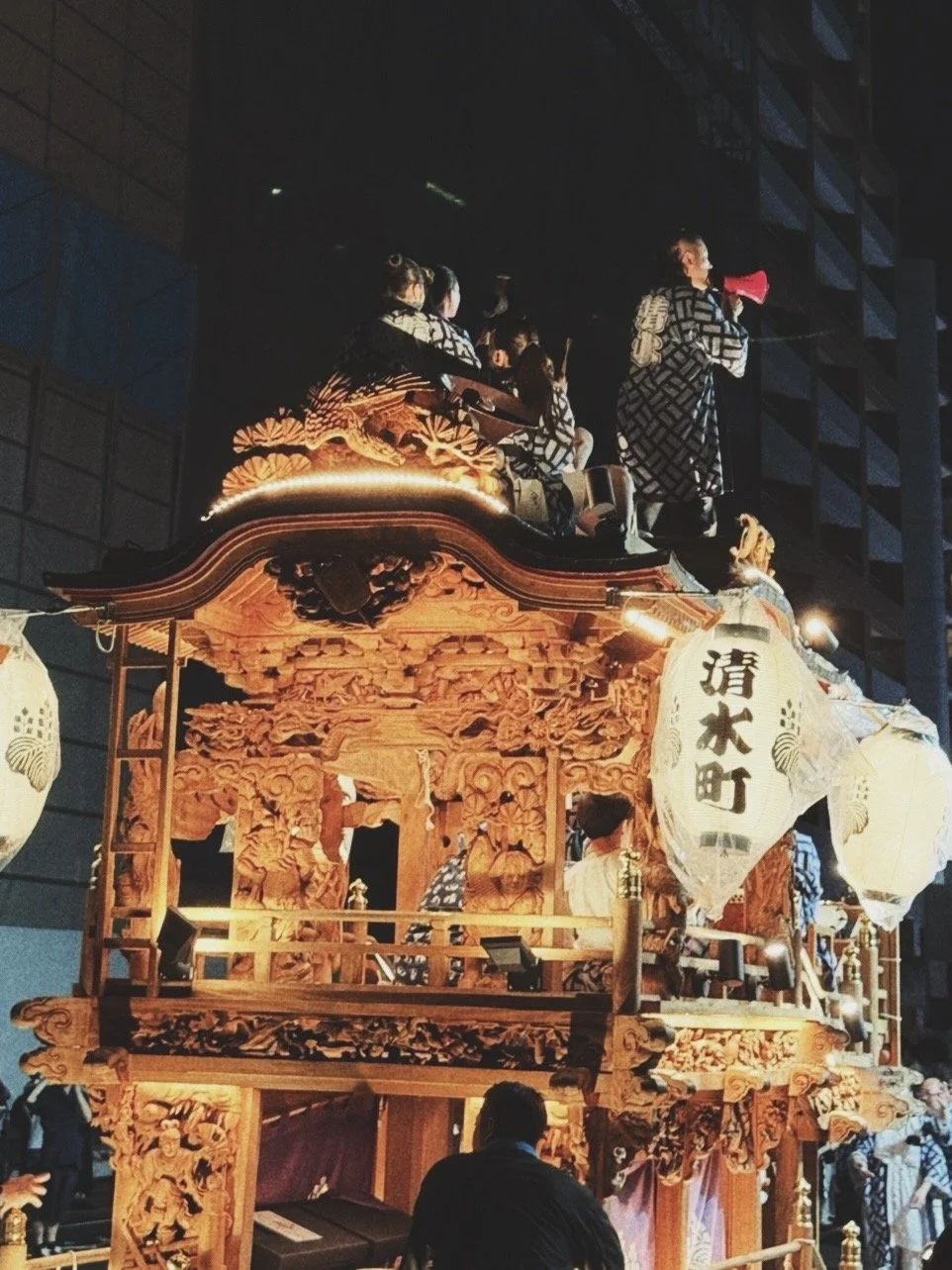
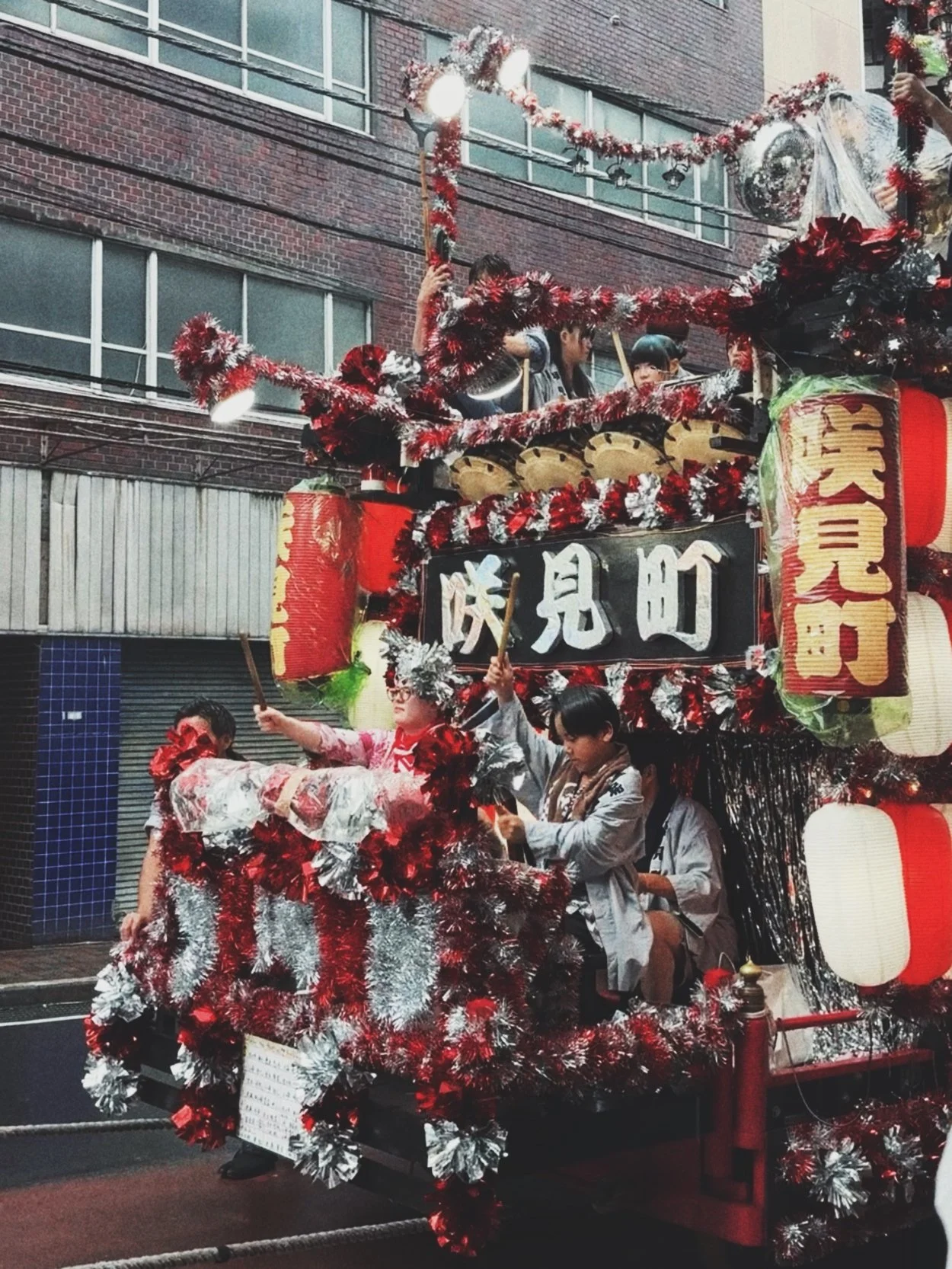
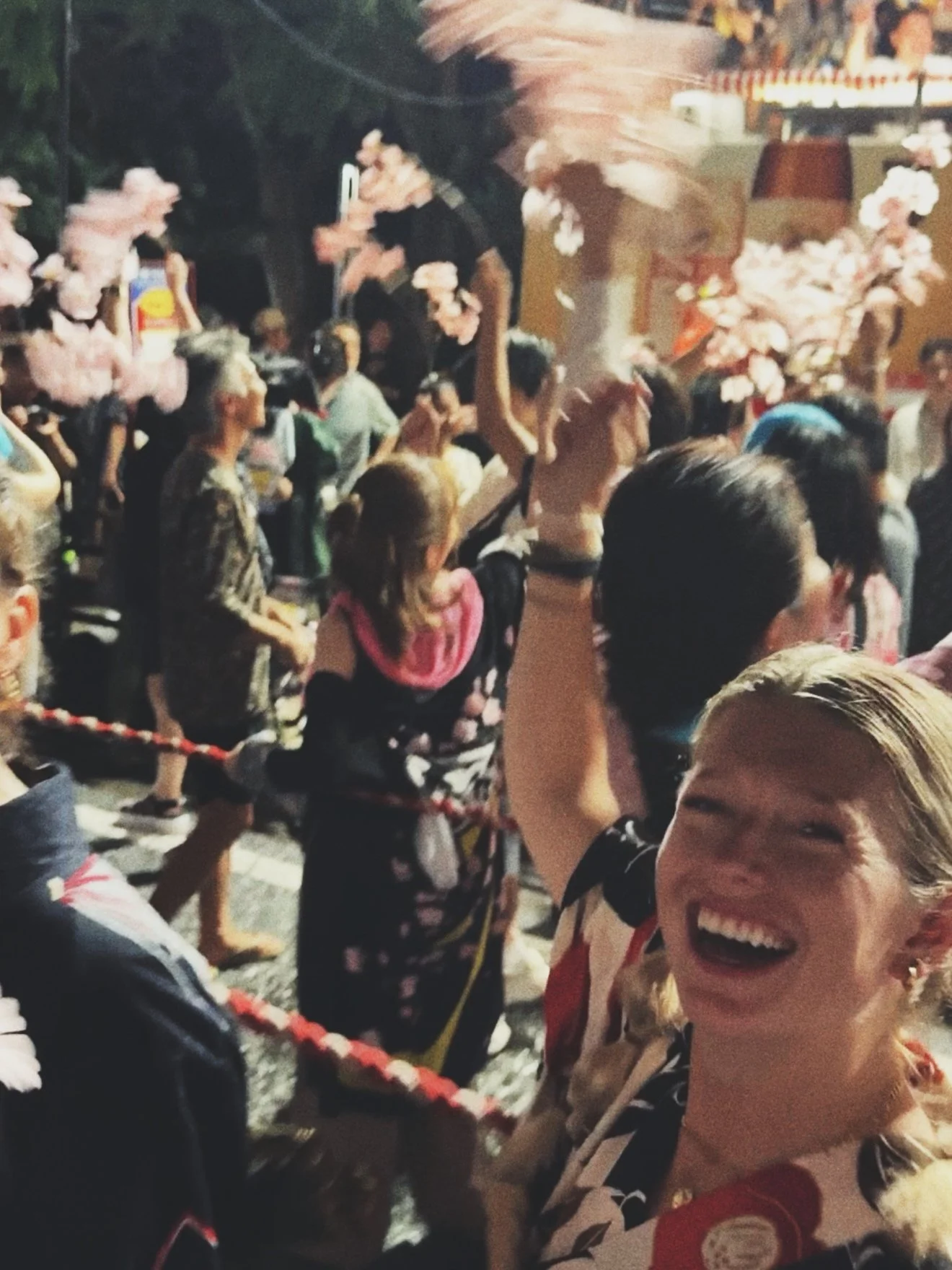
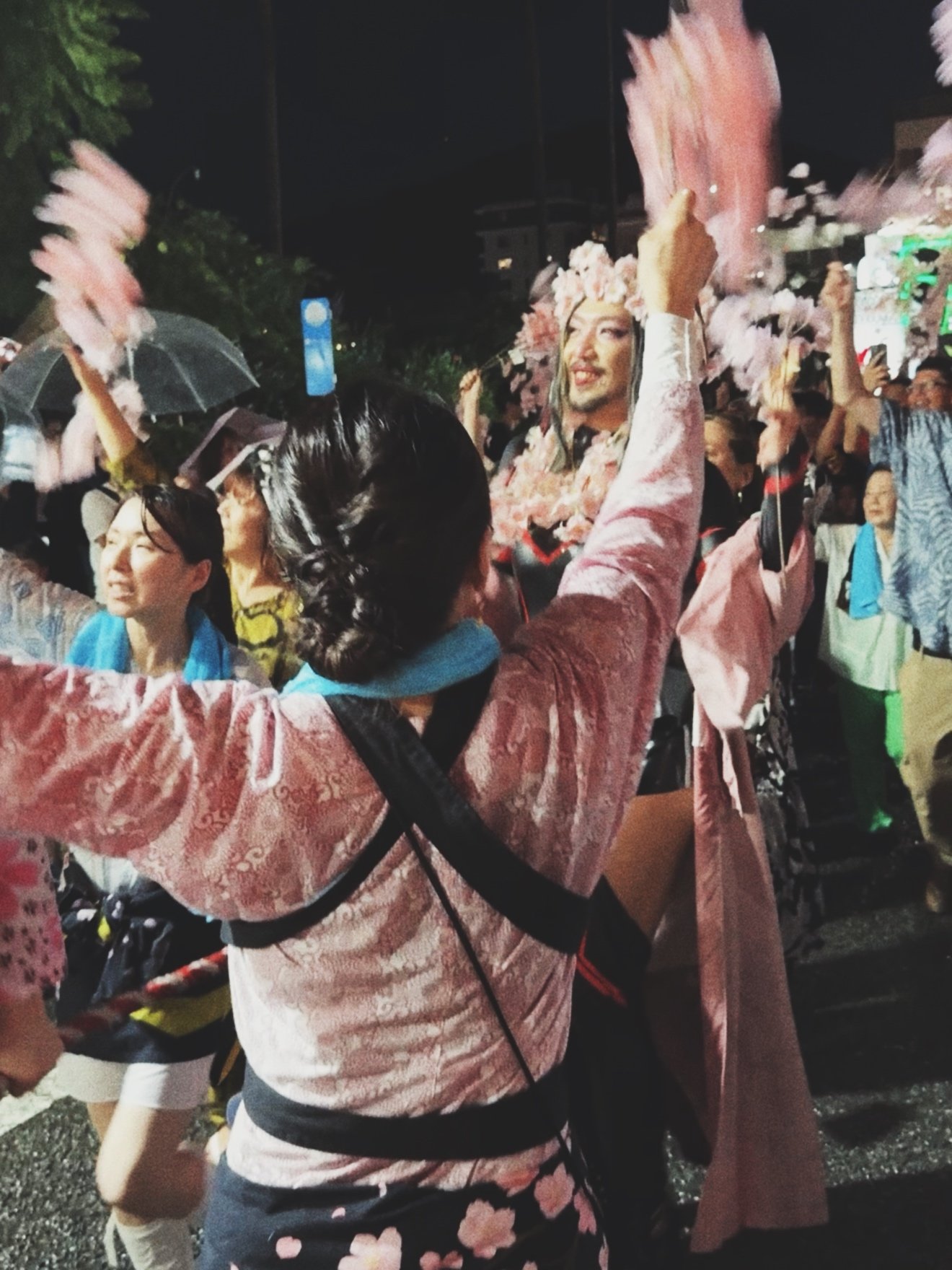
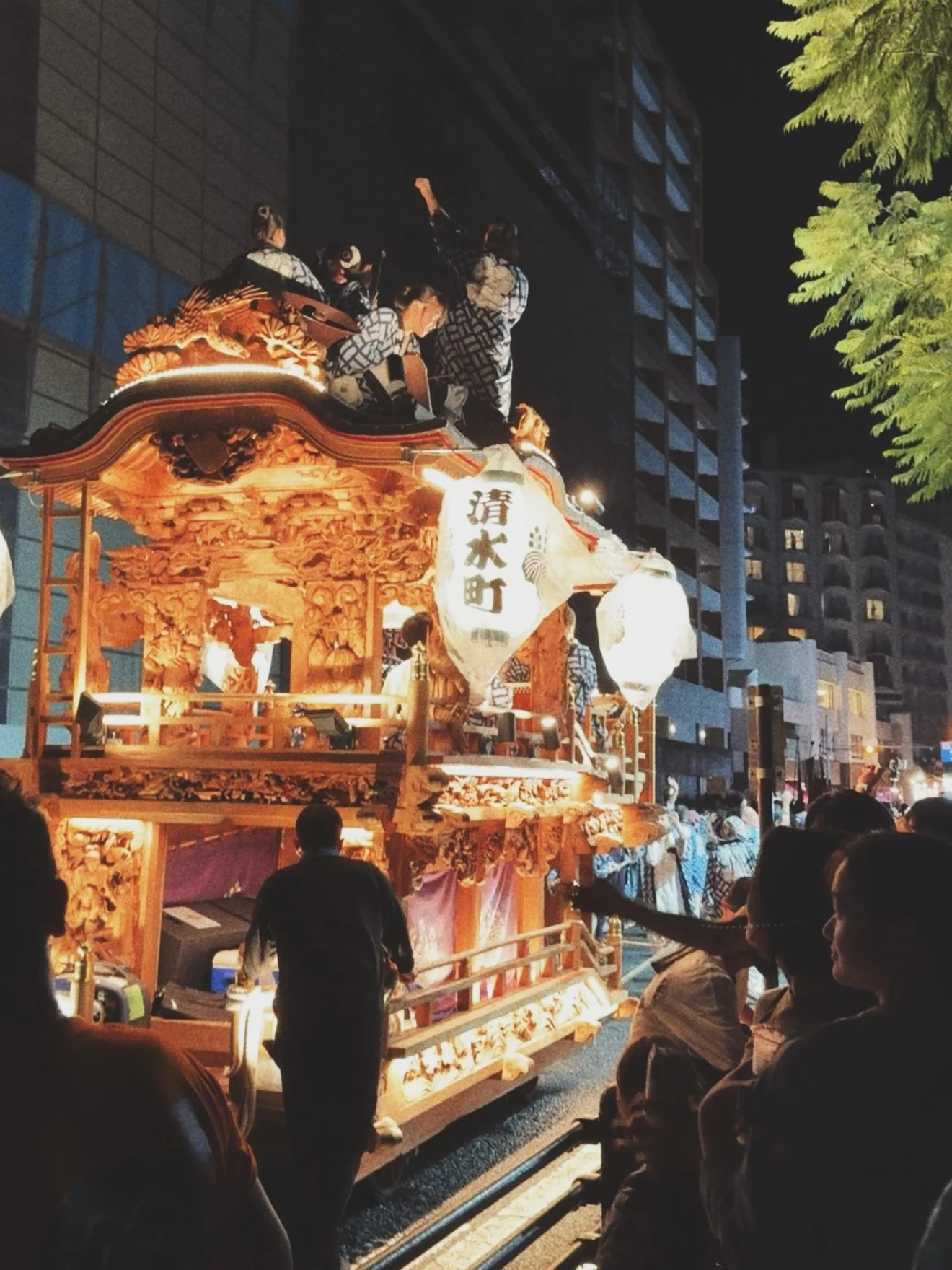
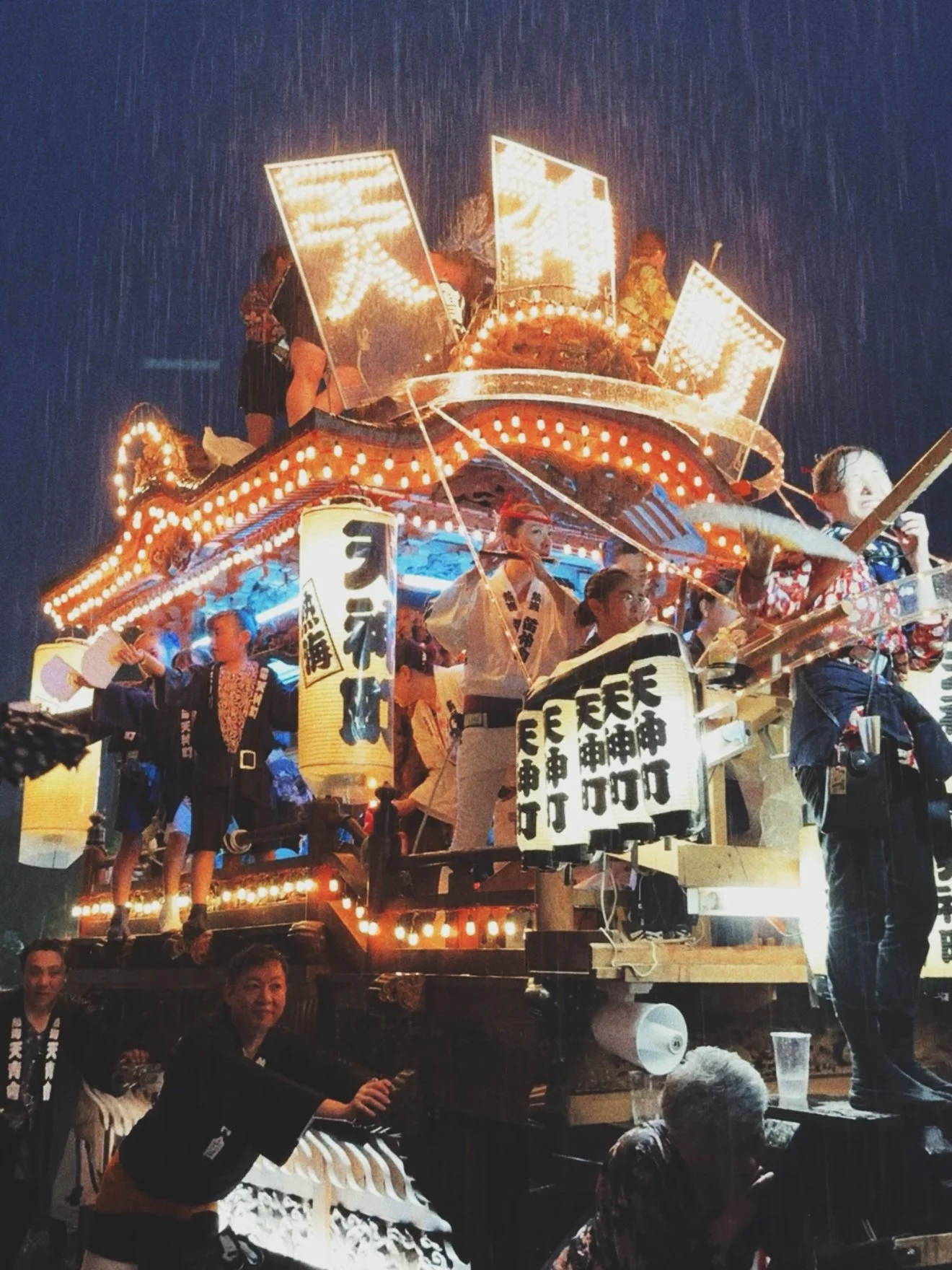
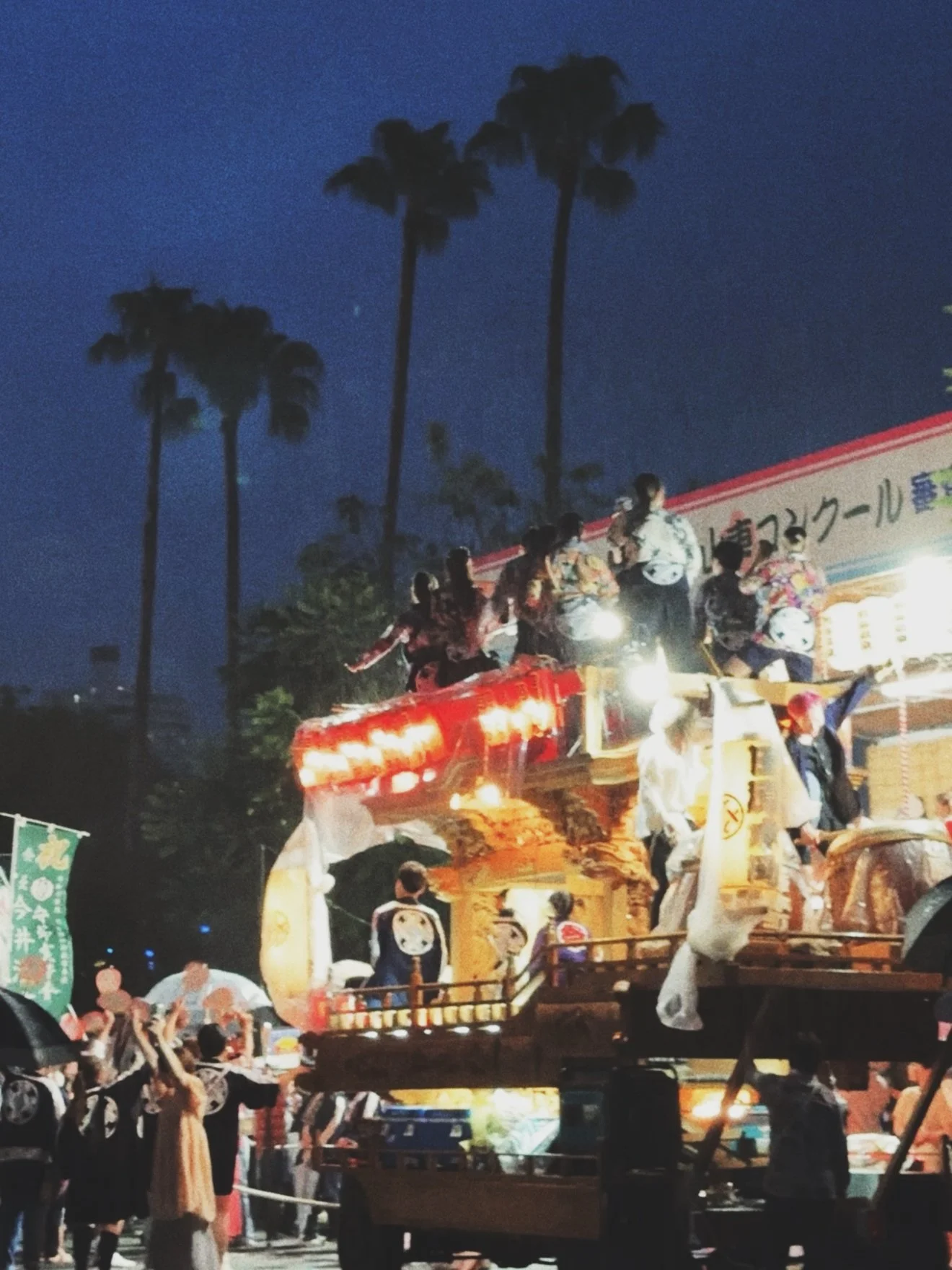
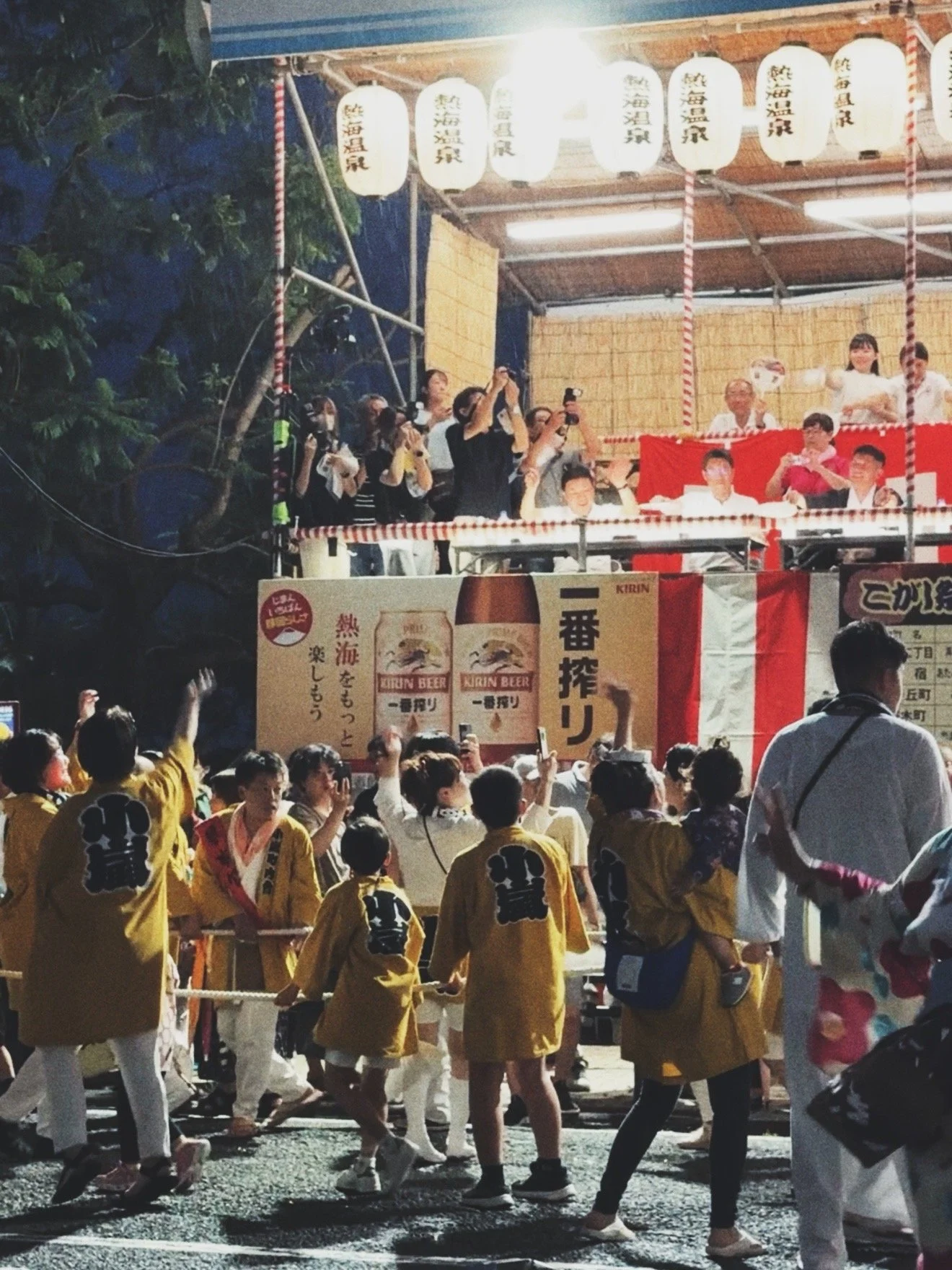
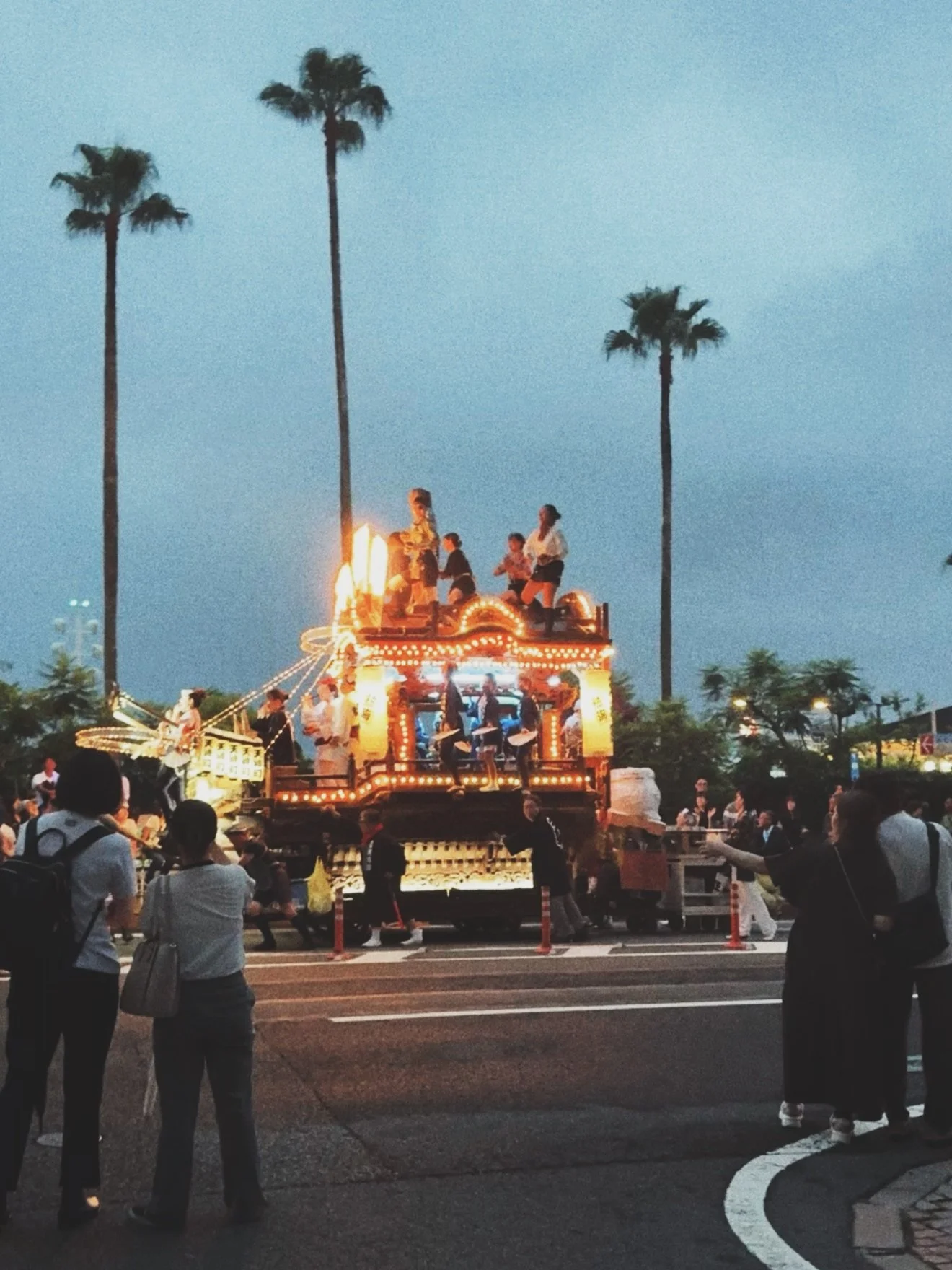
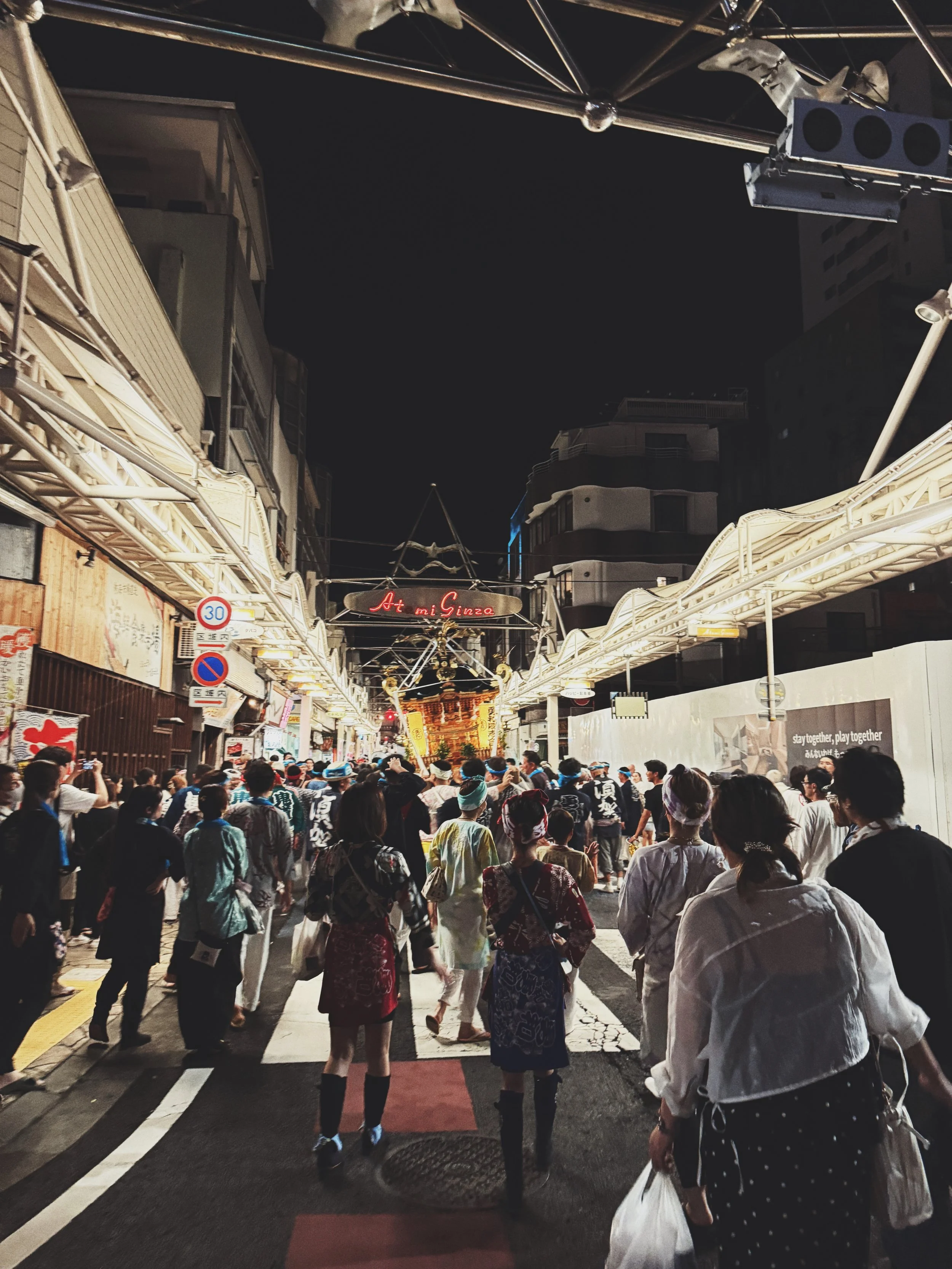
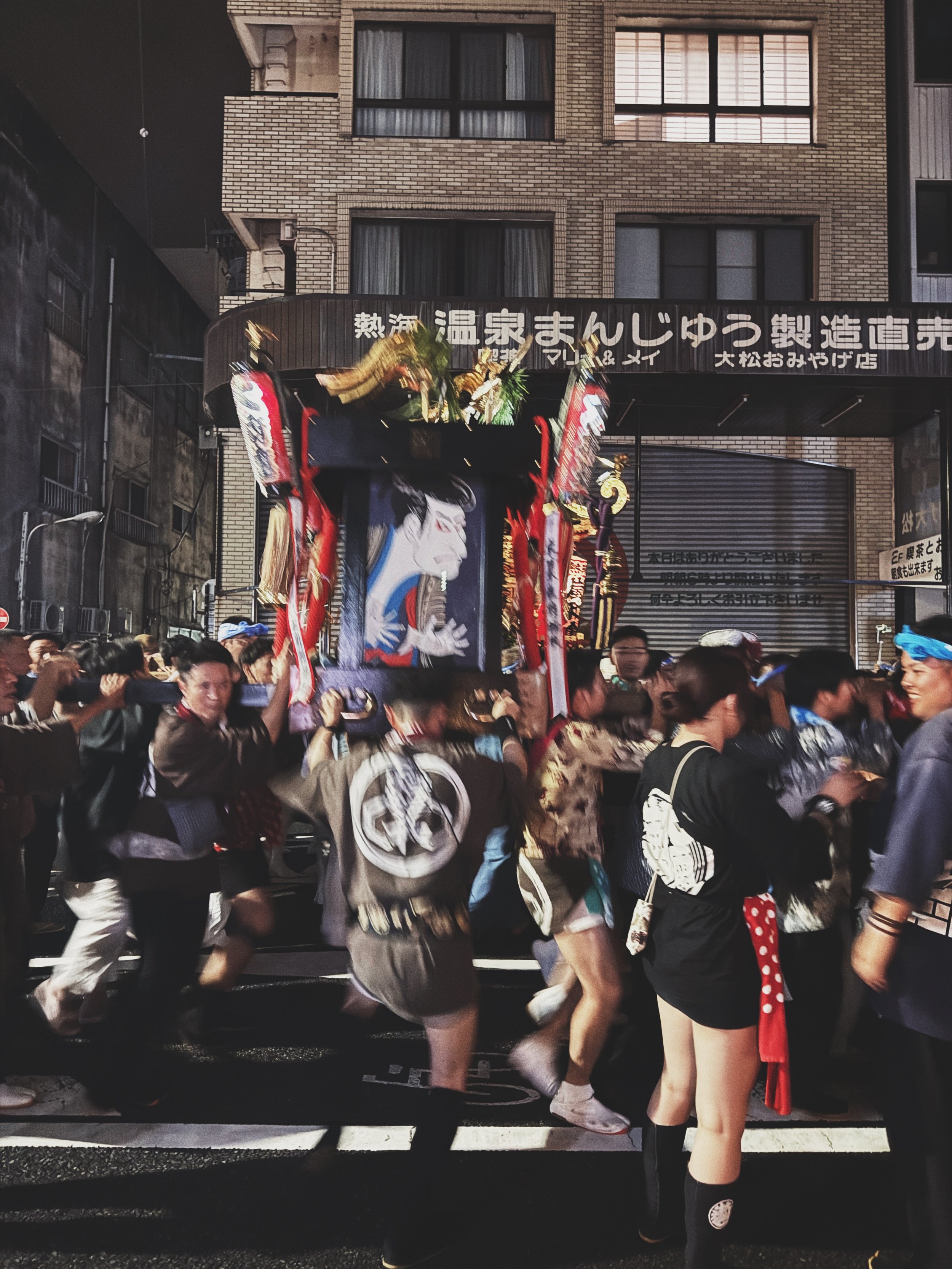
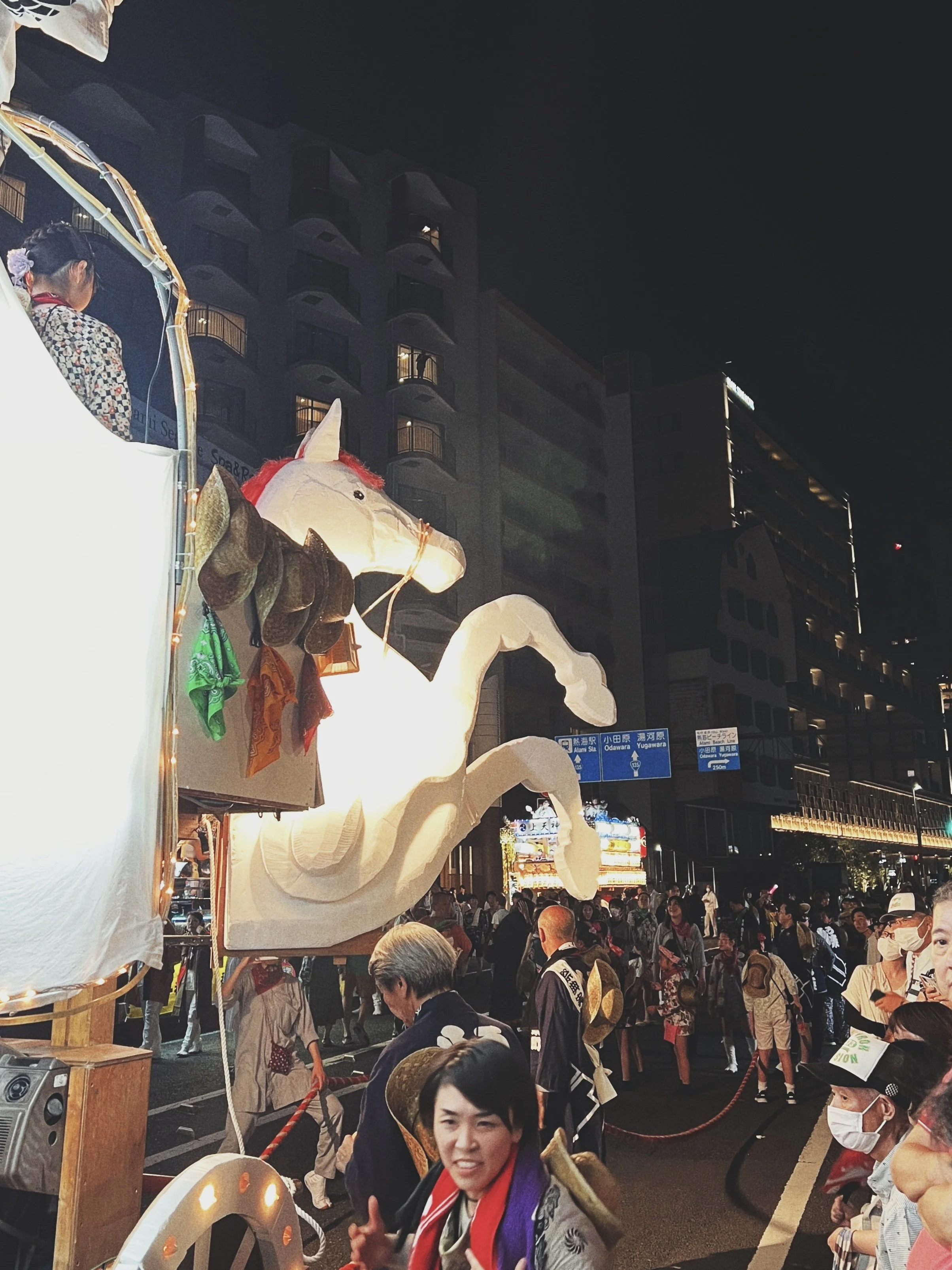
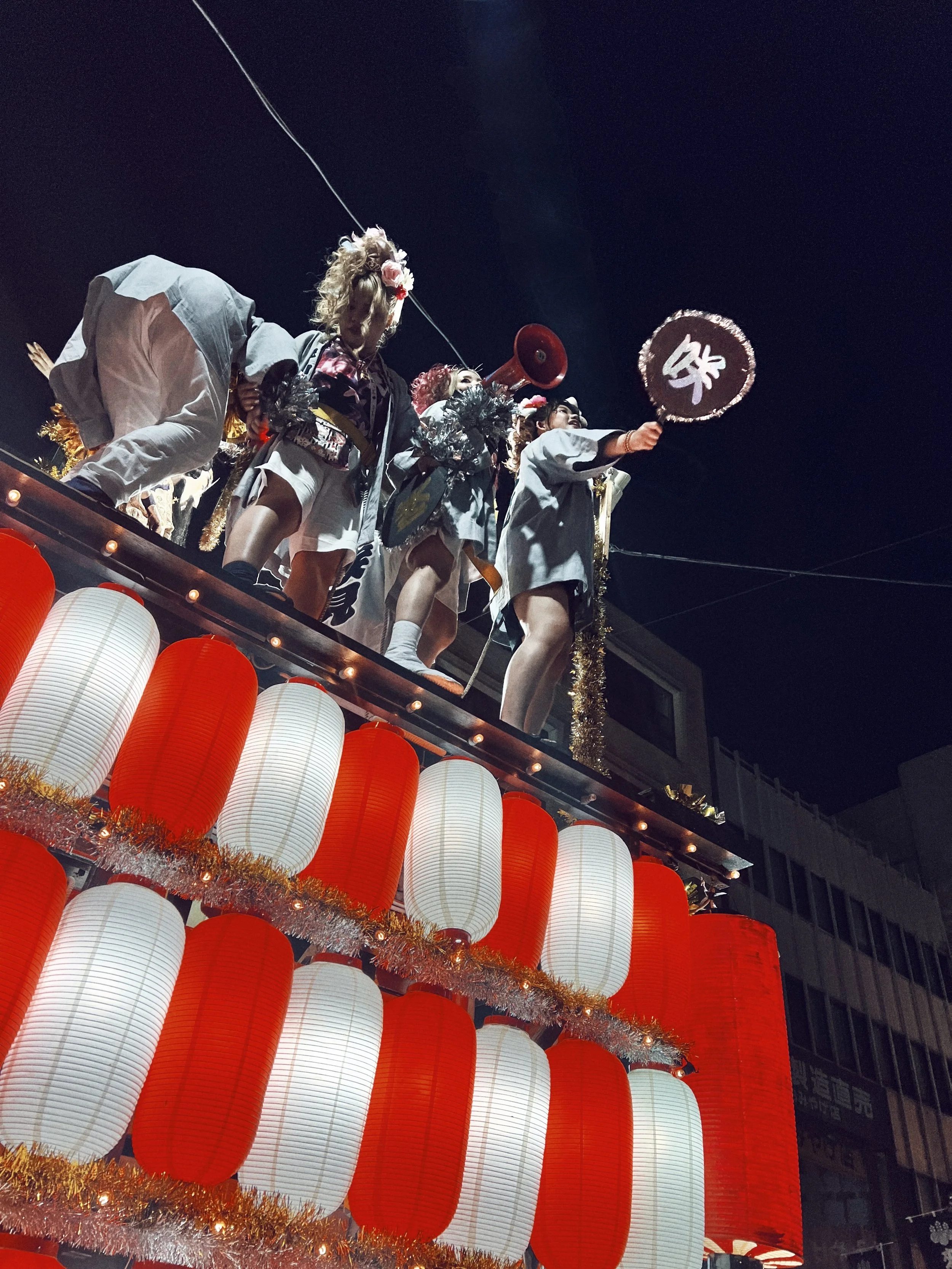
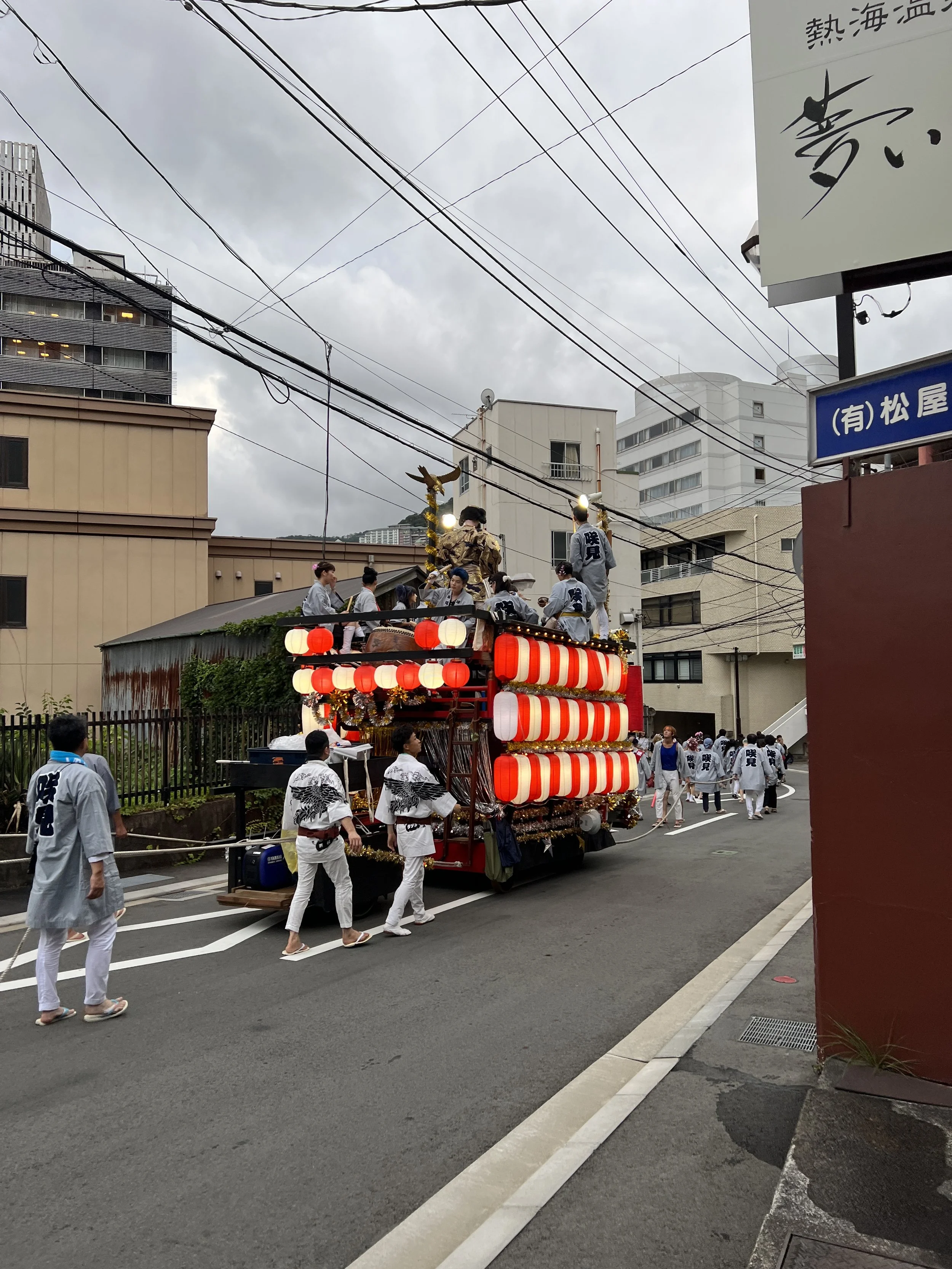
Annually the festival begins on July 14 with a quiet evening ceremony of prayers for the days ahead. The main events unfold on July 15 and 16, when more than thirty neighborhood‑built floats — some with traditional wood carvings and mostly unchanged each year, others with flashy lights and characters that change annually — line up along the beachside road. Each float carries its own musicians, and when two pass each other, the rhythms turn competitive: one neighborhood answering the calls of passing floats, then aiming to outdo the next passing float. The competition fills the coastline with music, lantern lights, and crowds.
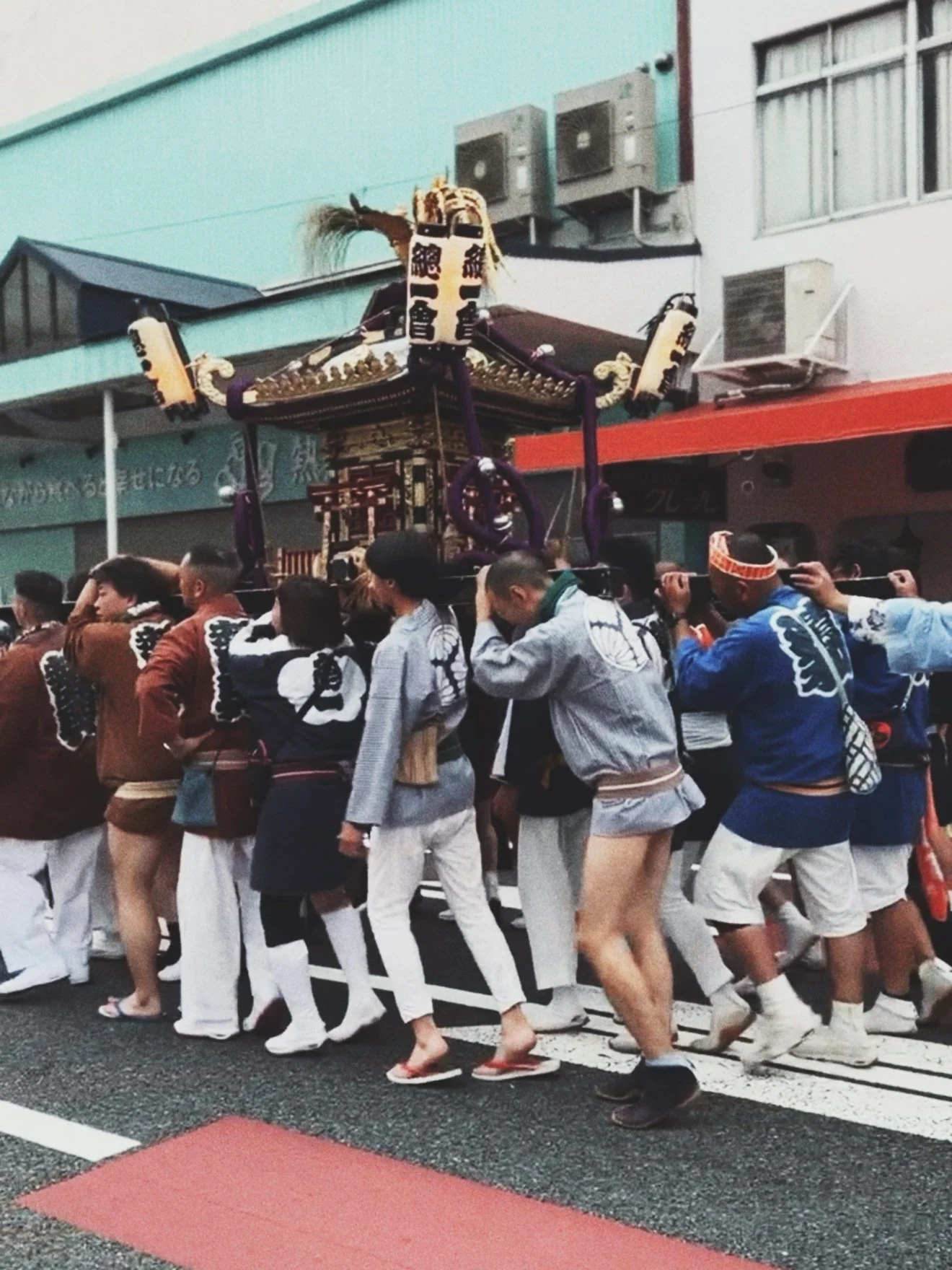
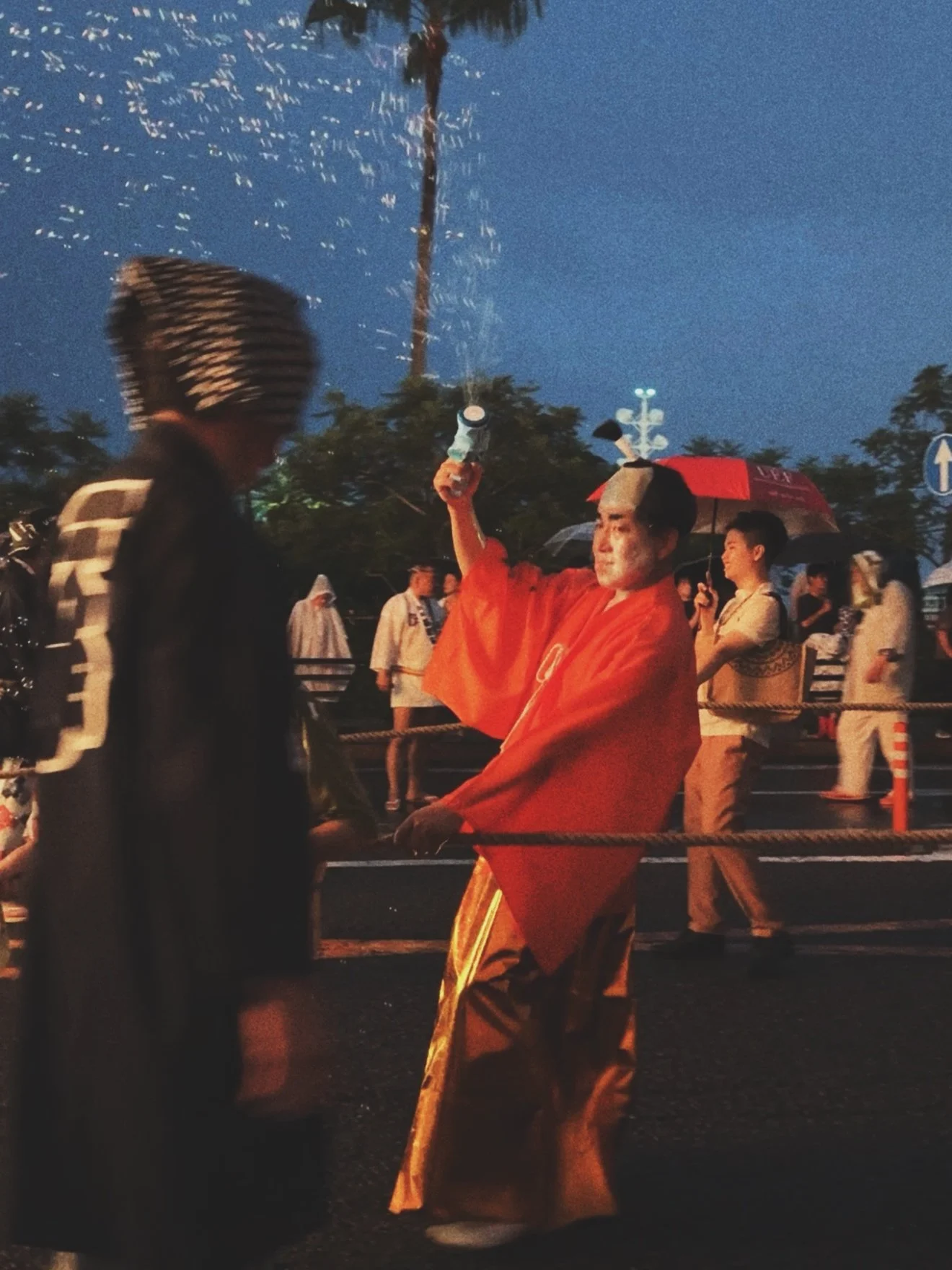
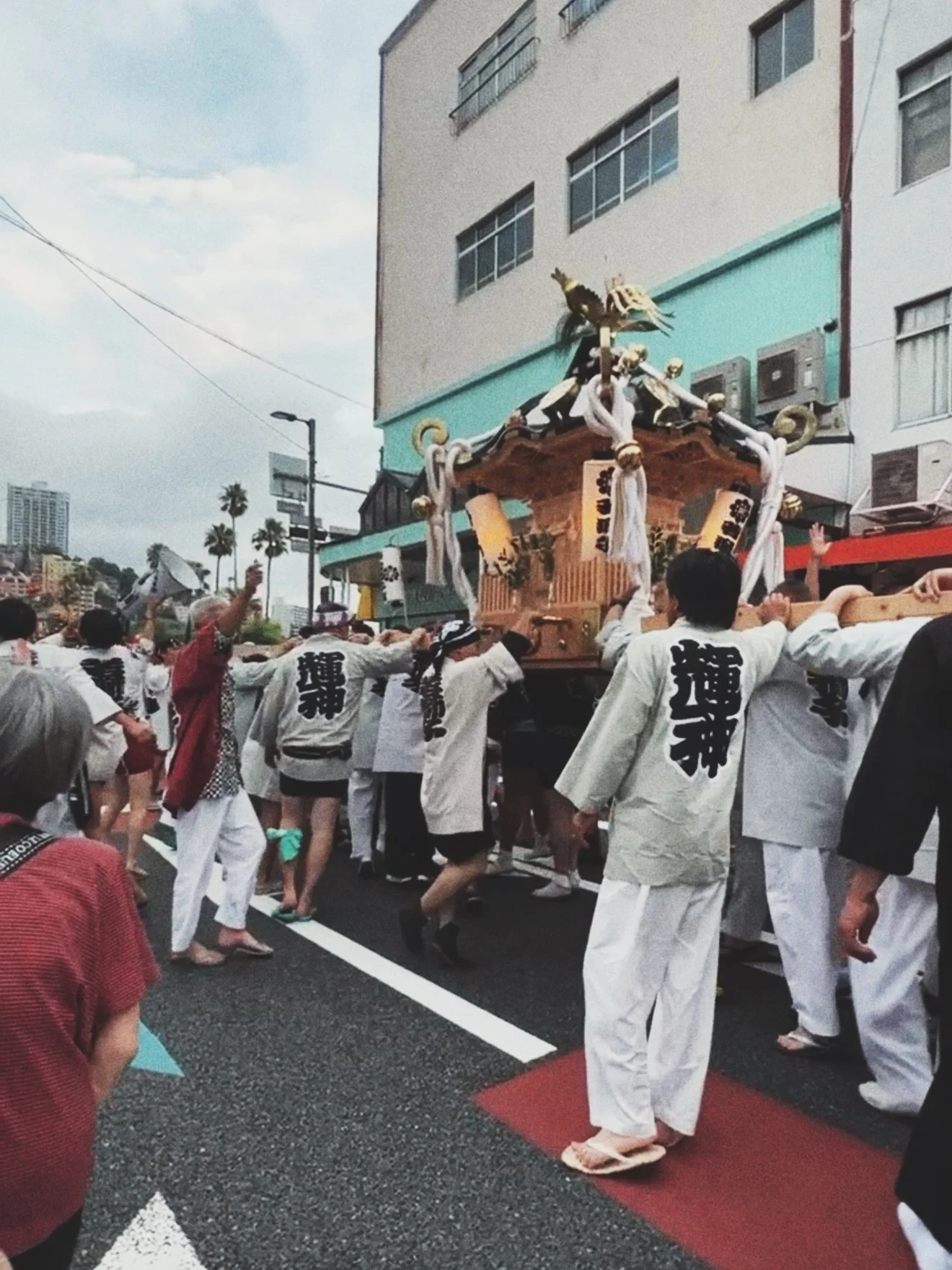
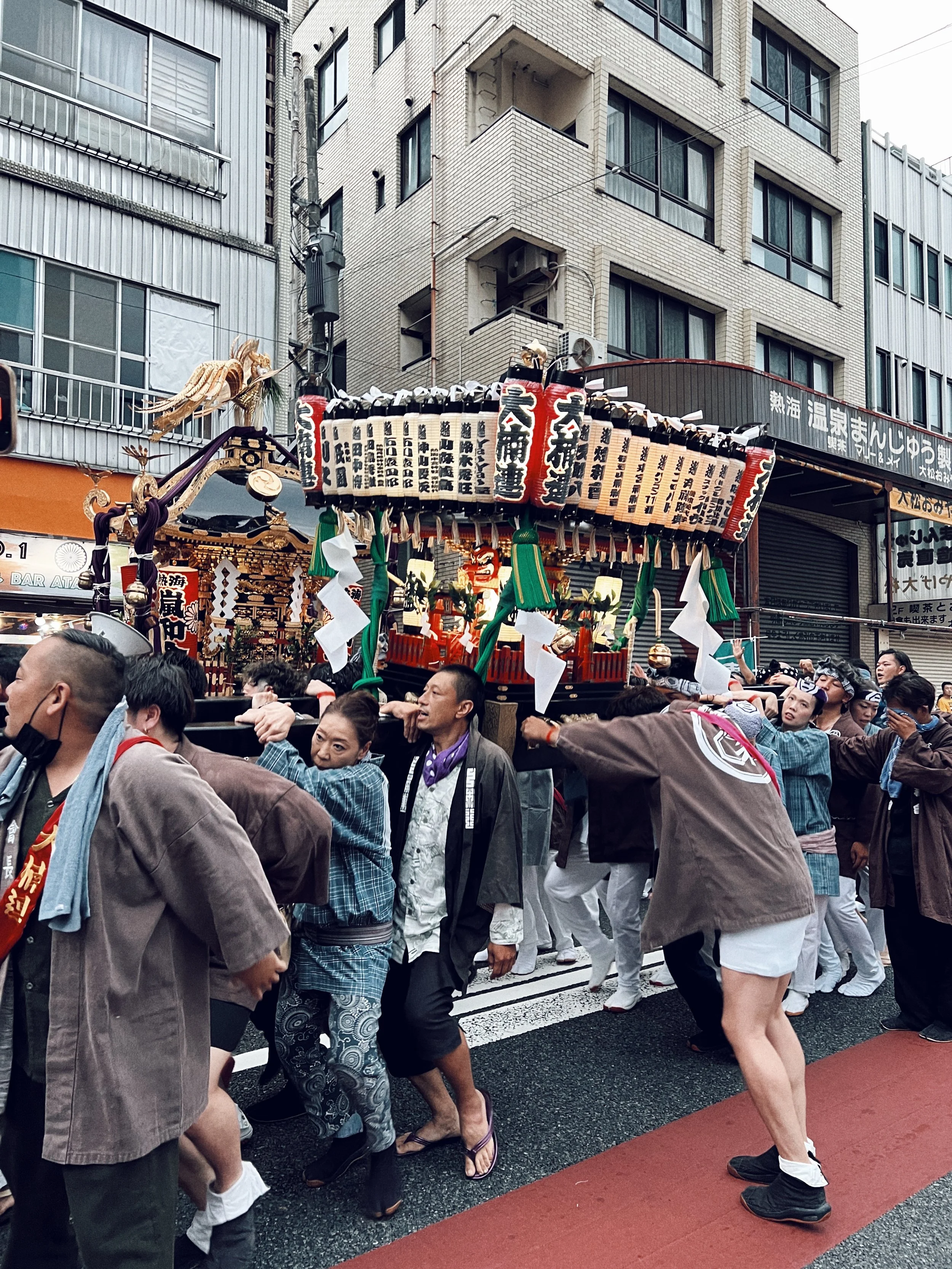
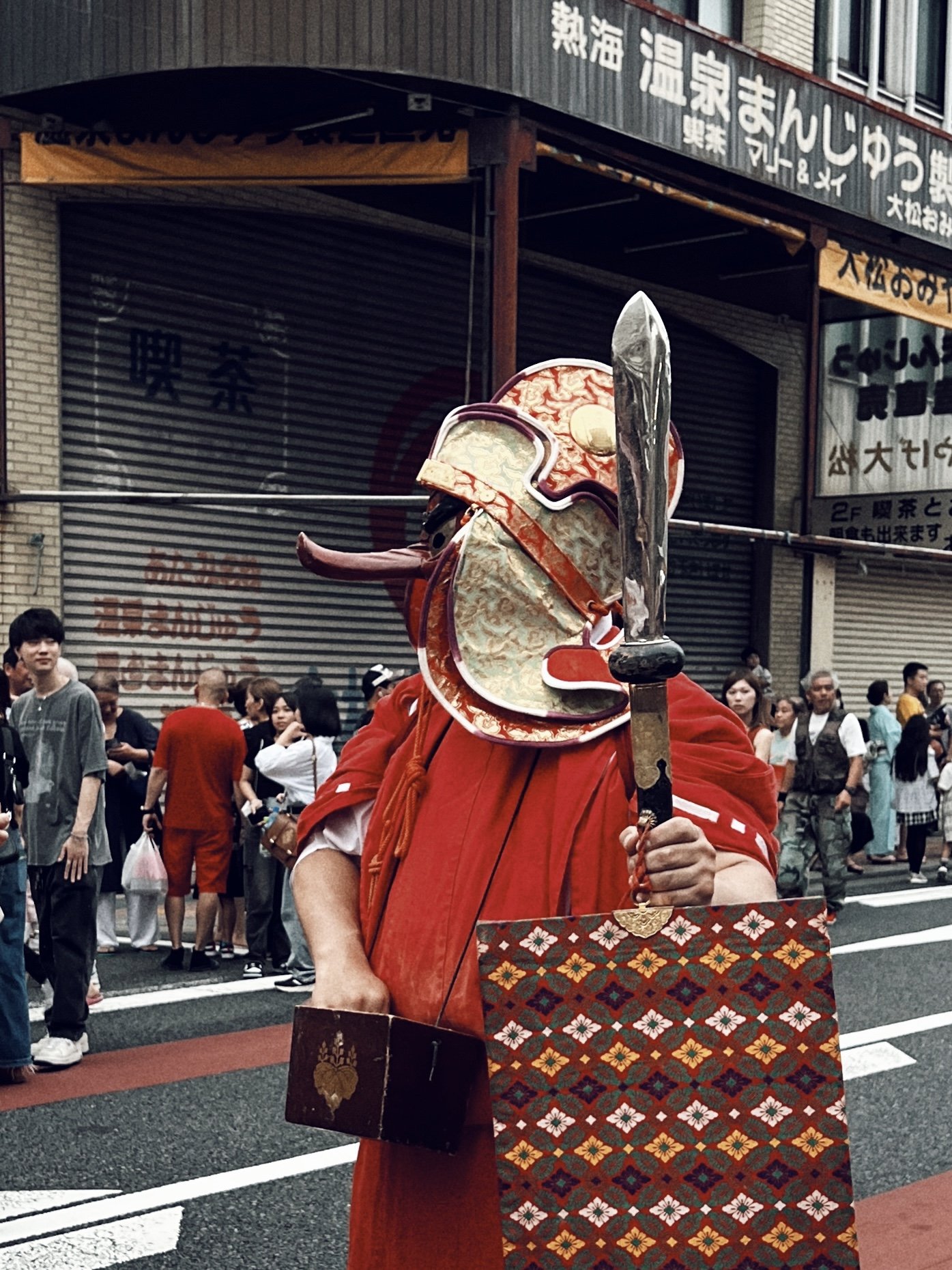
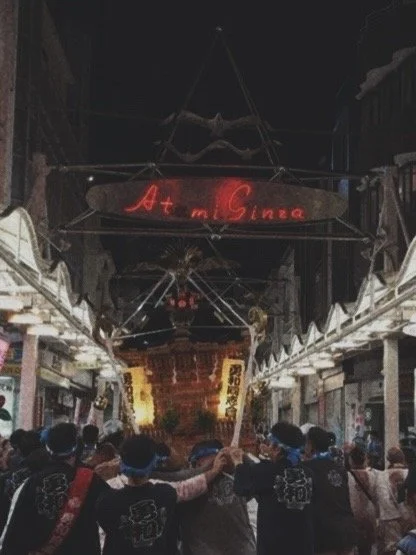
On the afternoon of July 16, Kinomiya shrine’s deity, carried in a gilded hand-held carriage, is brought down to Sun Beach and into the sea in a purification rite. A masked guide scatters roasted barley flour along the route, which locals believe brings protection and good health.
For guests staying in The Layer’s Izu properties in mid‑July, the festival’s main sites are nearby. Kinomiya Shrine is just a few minutes’ walk from The Layer | Atami Garden, while The Layer | Atami Hotel (opening later this year) is just a couple hundred meters from the parade route along the beach. The Layer | Ito is just a 25-minute train ride from Atami.
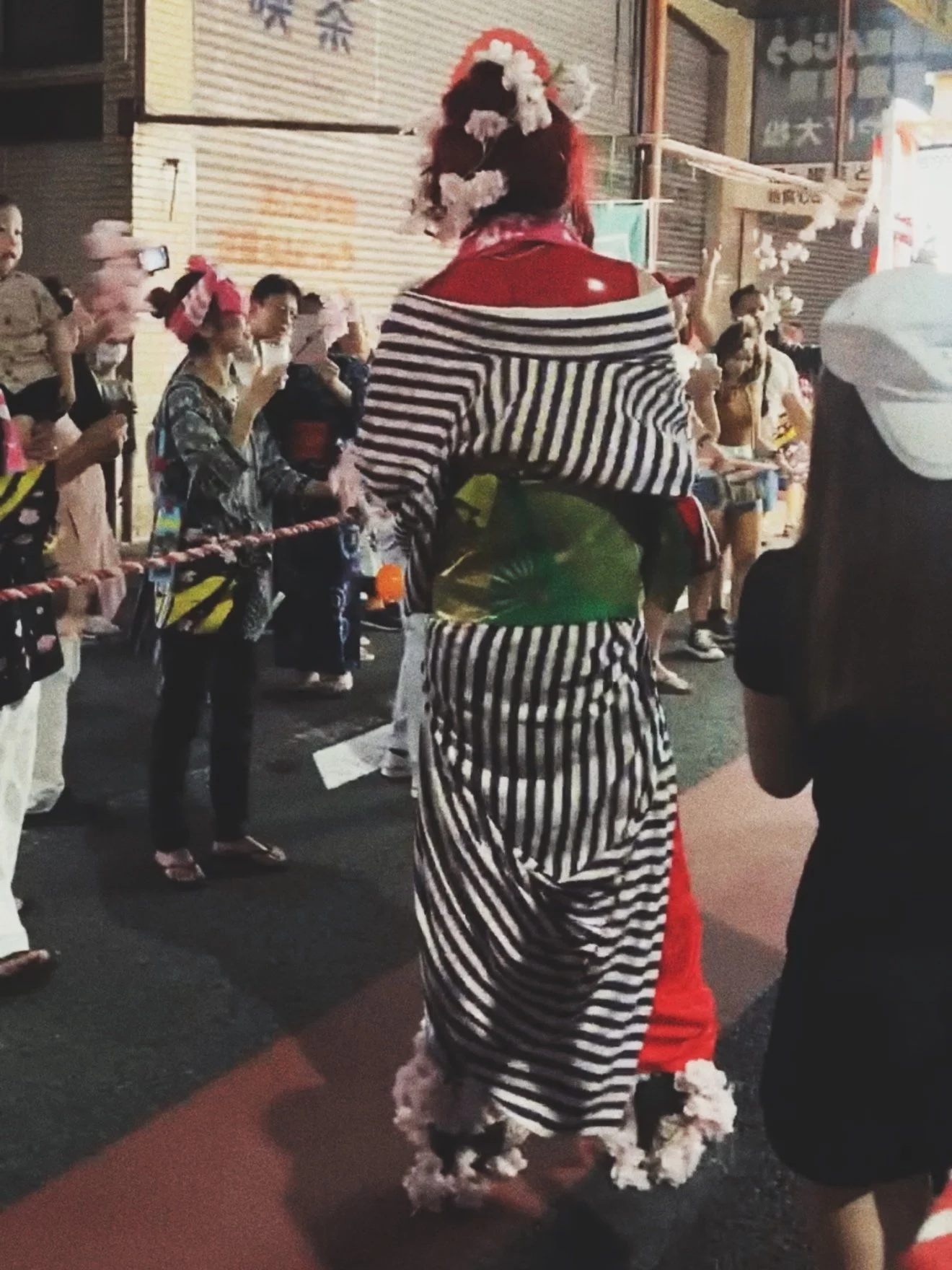
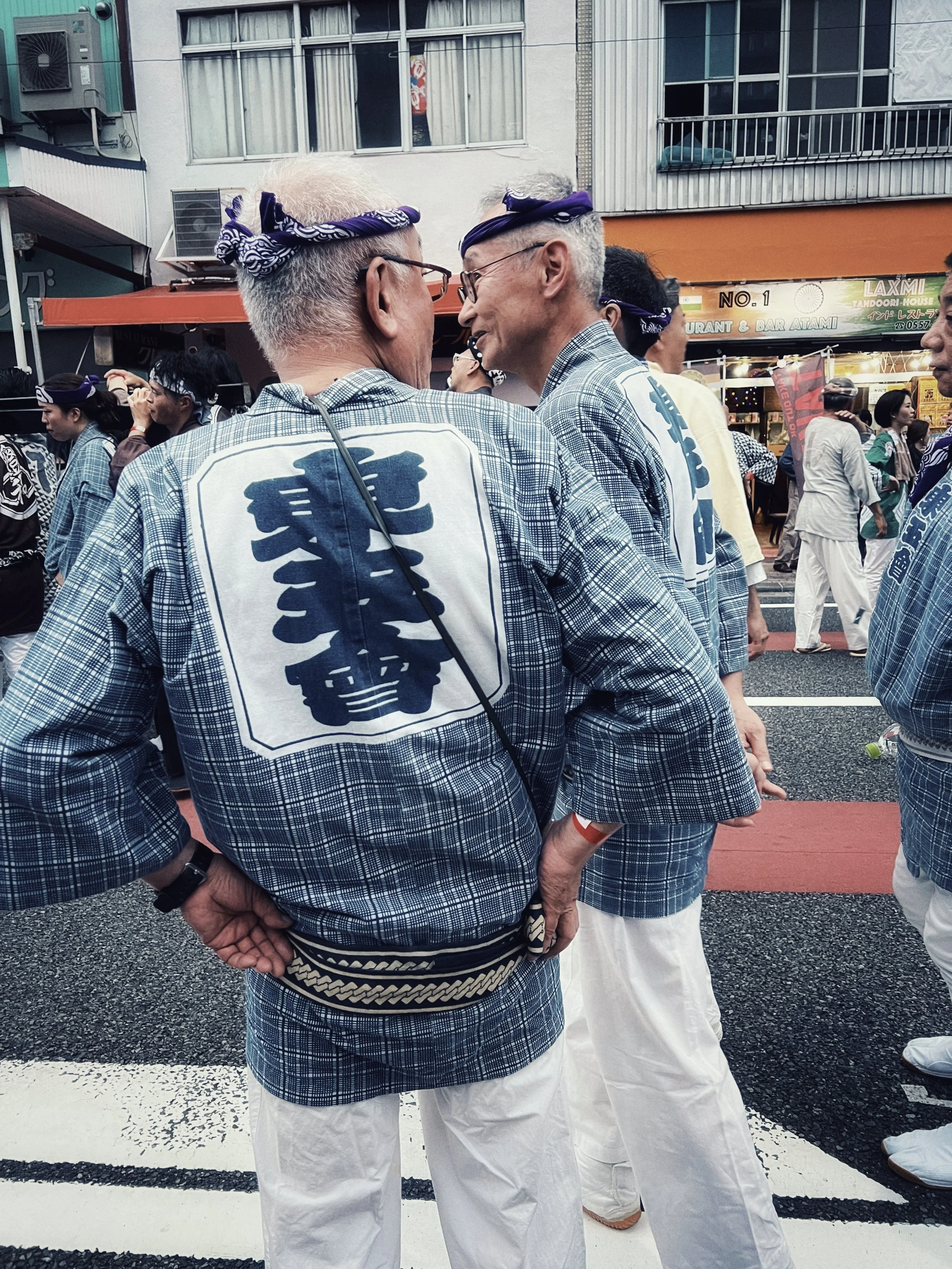
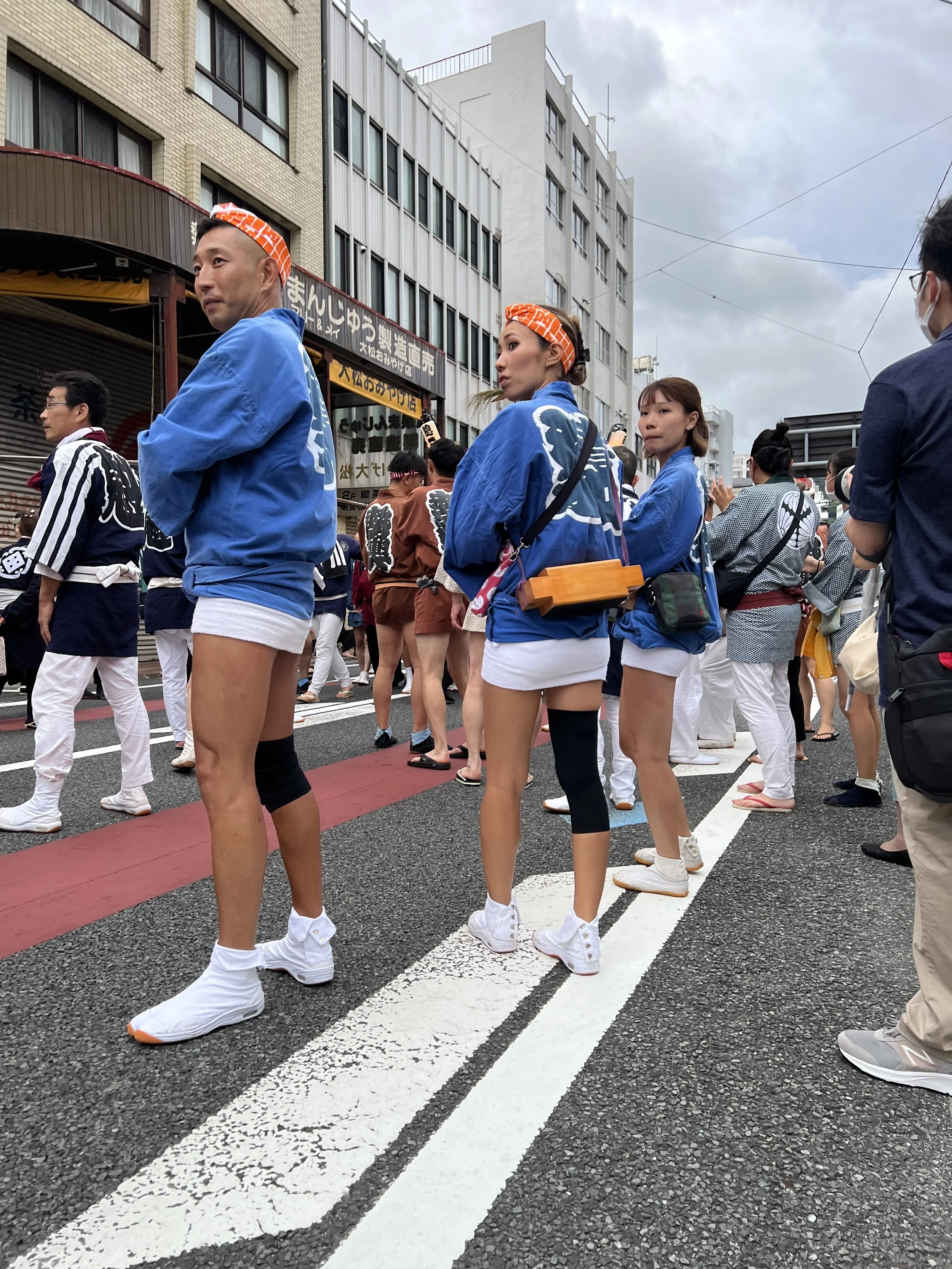
The festival is centered around the people of Atami, rather than aiming at attracting large numbers of visitors. However, visitors are often welcomed into the celebrations and the processions themselves. It’s one of the moments each year when the city feels most itself: energetic, communal, and celebrating long-held traditions.
Material+Place documents the makers, neighbors, traditions, and places whose work and knowledge shape everything The Layer builds. Browse the full project and index here.
ATAMI KOGASHI FESTIVAL